
Dr. Ádám Koczor
Expert in Plant Protection
© 2026 All rights reserved
CV (PDF)
Knowledge
Practical notes for farmers: recognising pests and diseases, soil and water, organic and regenerative conversion, and the decisions behind them. I write them as an independent plant doctor, from what I see in the field.
- Does the bee-eater really eat 250 bees a day?
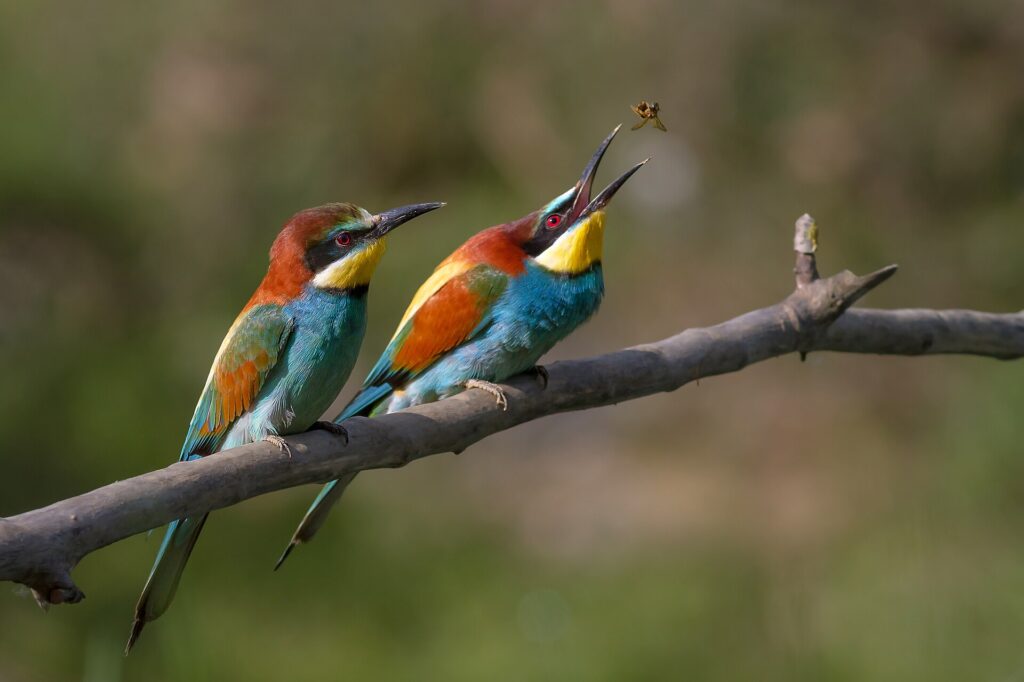 The bee-eater is protected, yet beekeepers often see it as an enemy. Where does the figure of 250 bees a day come from, and where are beekeepers right after all?
- Is it time to bring oilseed rape back into the rotation?
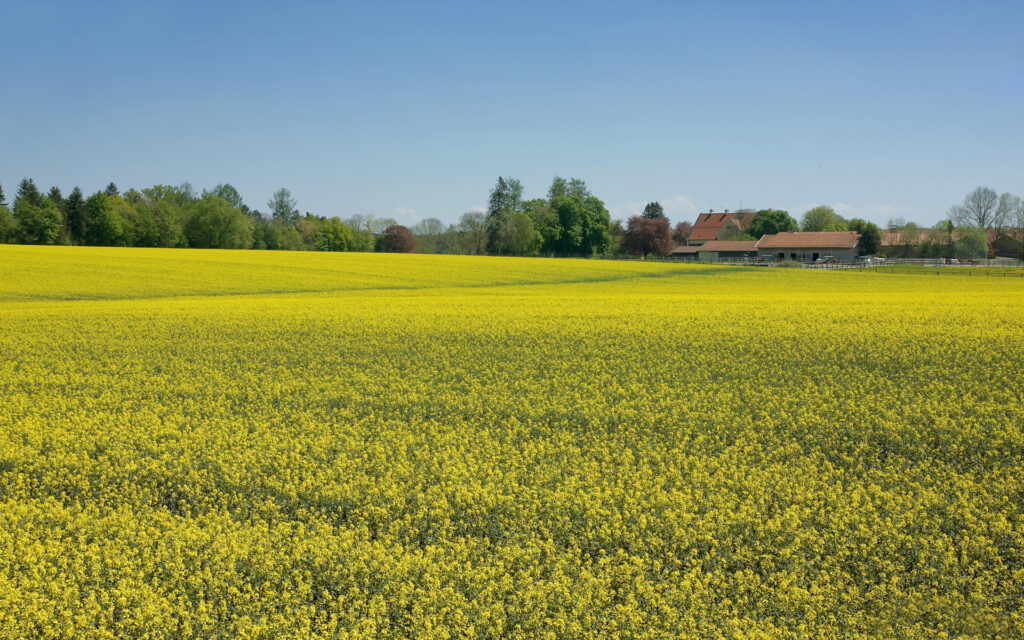 In 2018 oilseed rape was grown on 330,000 hectares; in 2023 on barely 189,000. Why has it been squeezed out of Hungarian rotations, and what has changed since?
- Sticky spray against thrips: a plant trick from the lab
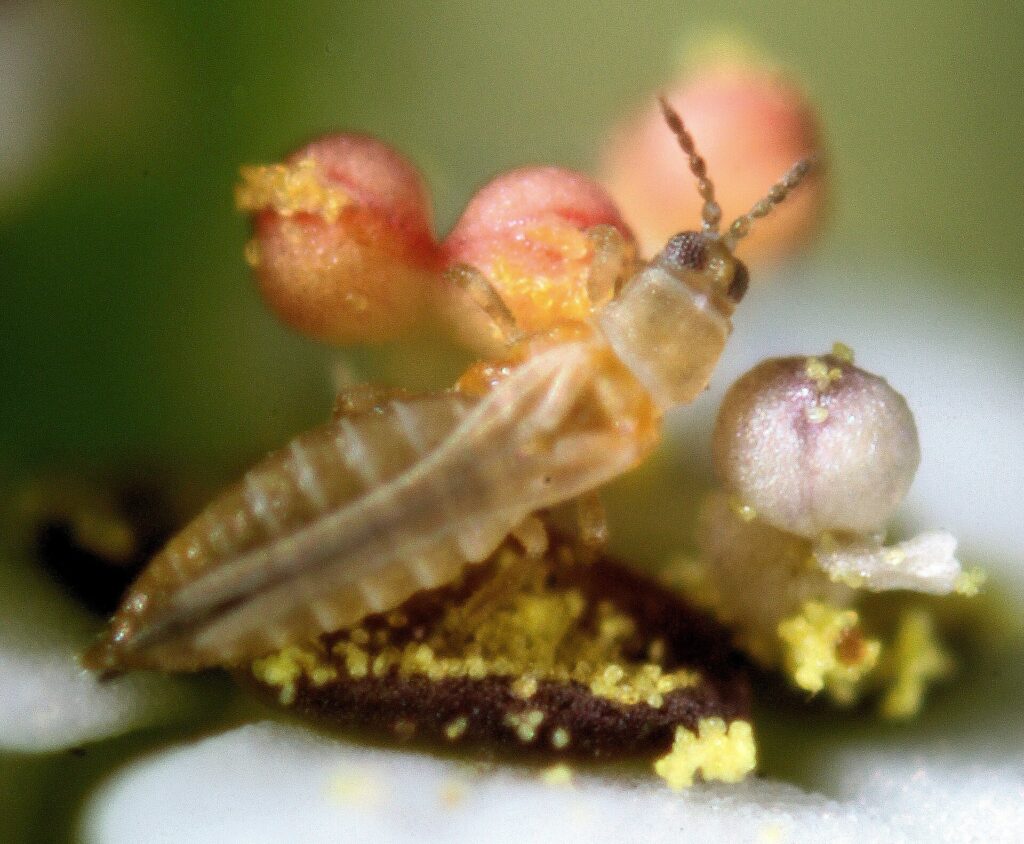 One product is withdrawn, its replacement is overused, resistance follows. Sticky particles against thrips, modelled on plants’ glandular hairs: what can they do, and where’s the catch?
- Should potatoes flower or not? The question of fruit thinning
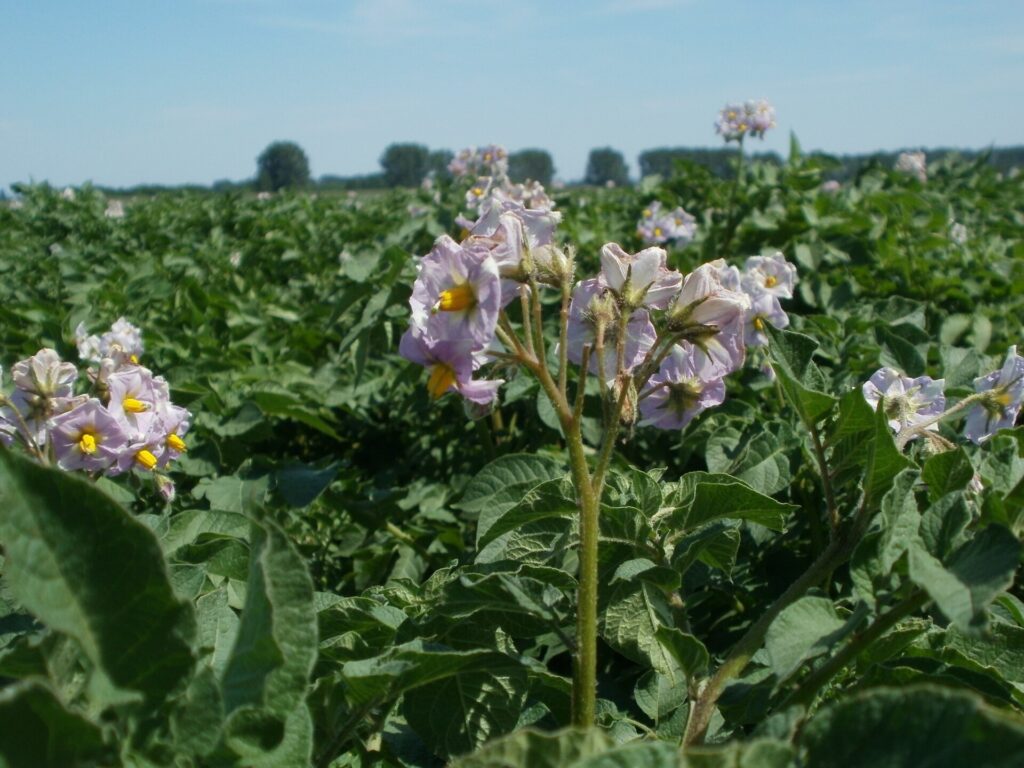 Potato berries are not edible, yet the plant still puts water and nutrients into them. Would it pay to remove the flower buds? According to trials, it depends.
- Running out of phosphorus? What you can do with your own soil’s phosphorus reserves
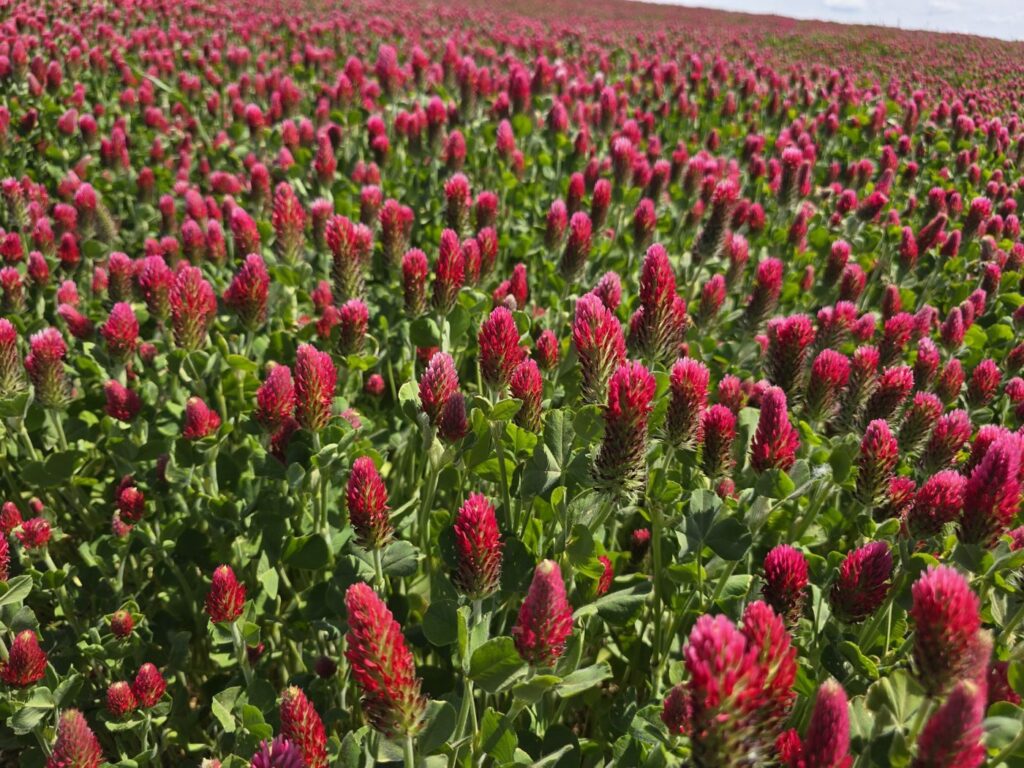 Hungarian soils mostly contain phosphorus – it just doesn’t reach the plant. Why more fertiliser isn’t enough, and what ways there are to mobilise the existing reserves?
- Bacterial disease, few tools: what can bacteriophages do?
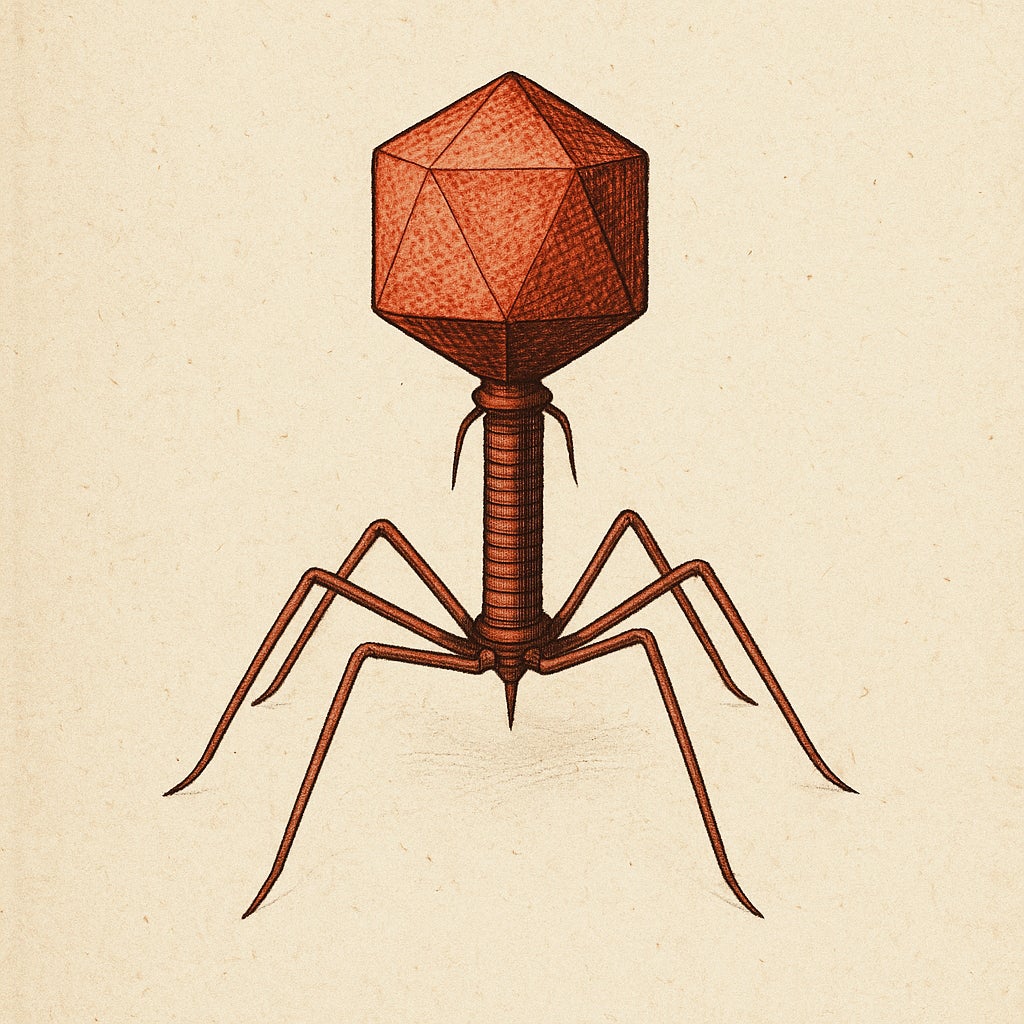 Streptomycin has been withdrawn, and we spray copper year after year. One promising route to targeted control of bacteria is the bacteriophage. What is it, and what is holding it back?
- A rose at the head of the vine row, beetroot in the sugar beet: do indicator plants work?
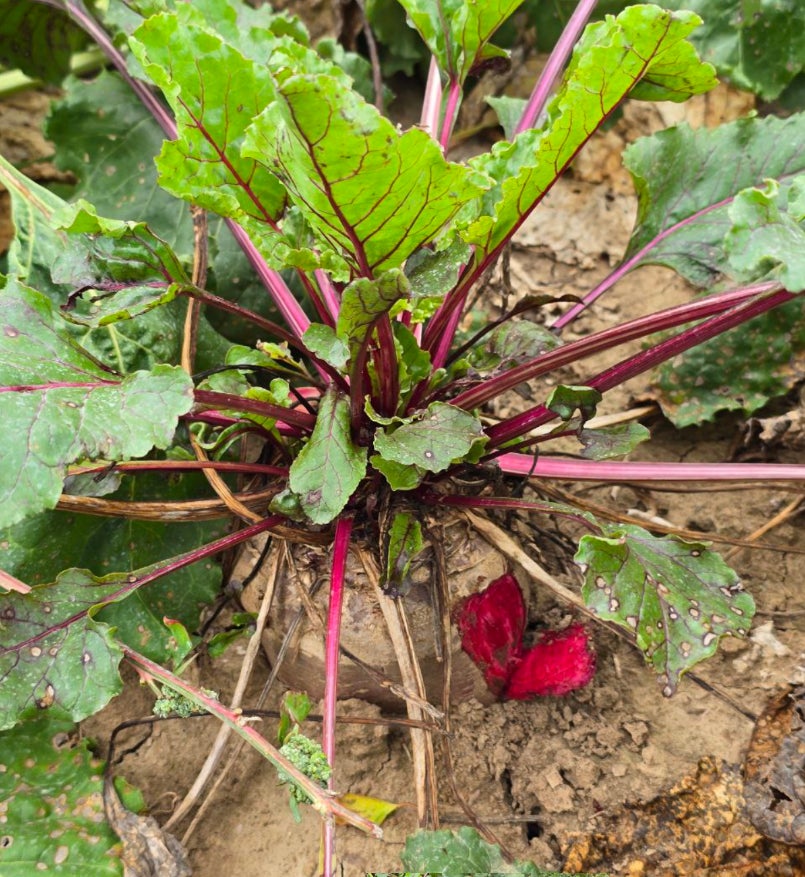 A rose at the head of the vine row, a few beetroot plants in the sugar beet field: the more sensitive plant is supposed to signal disease early. When does this work, and when is it just pretty?
- Vole damage in orchards: why control alone is not enough
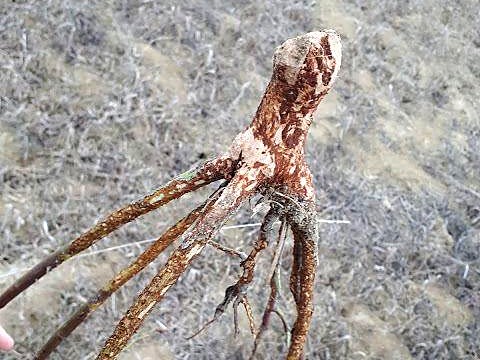 Gnawed root collars, dying plants, an inter-row full of burrows. Voles are among the most expensive pests in plantations. What determines how big the problem is for you?
- Organic or regenerative farming: what is the difference, and which one suits you?
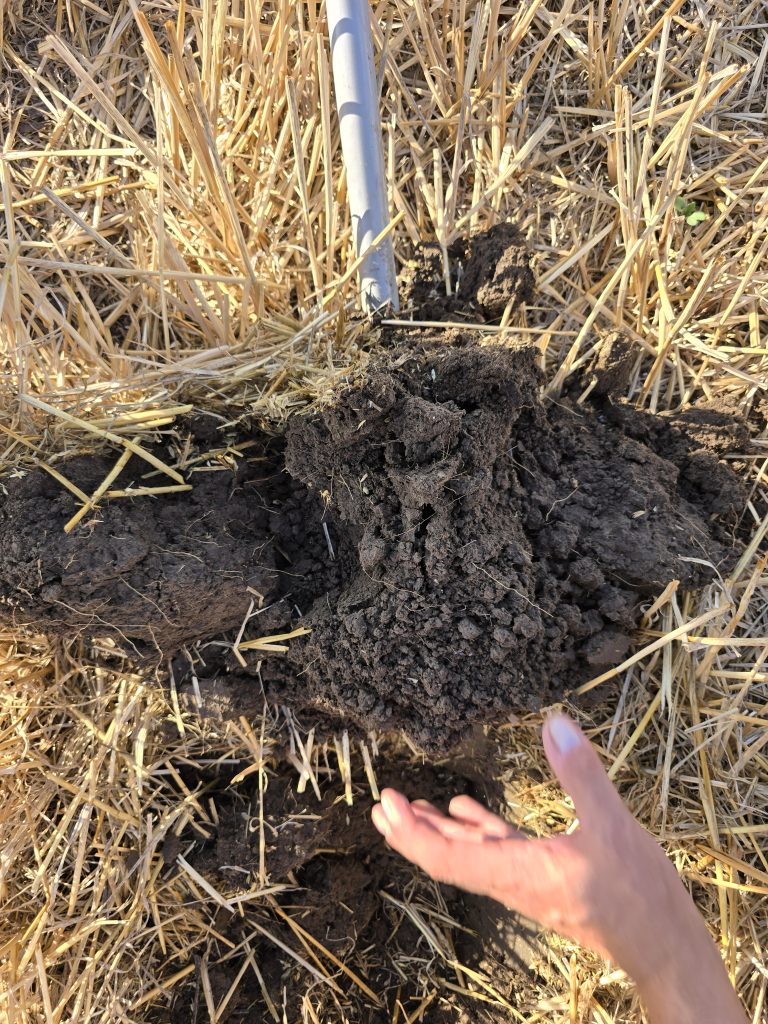 Two directions, the same goal, different tools and different business models. What is the real difference between organic and regenerative farming, and what decides which suits your farm?
- Wild strawberry or mock strawberry? Three similar fruits, and not all are friends
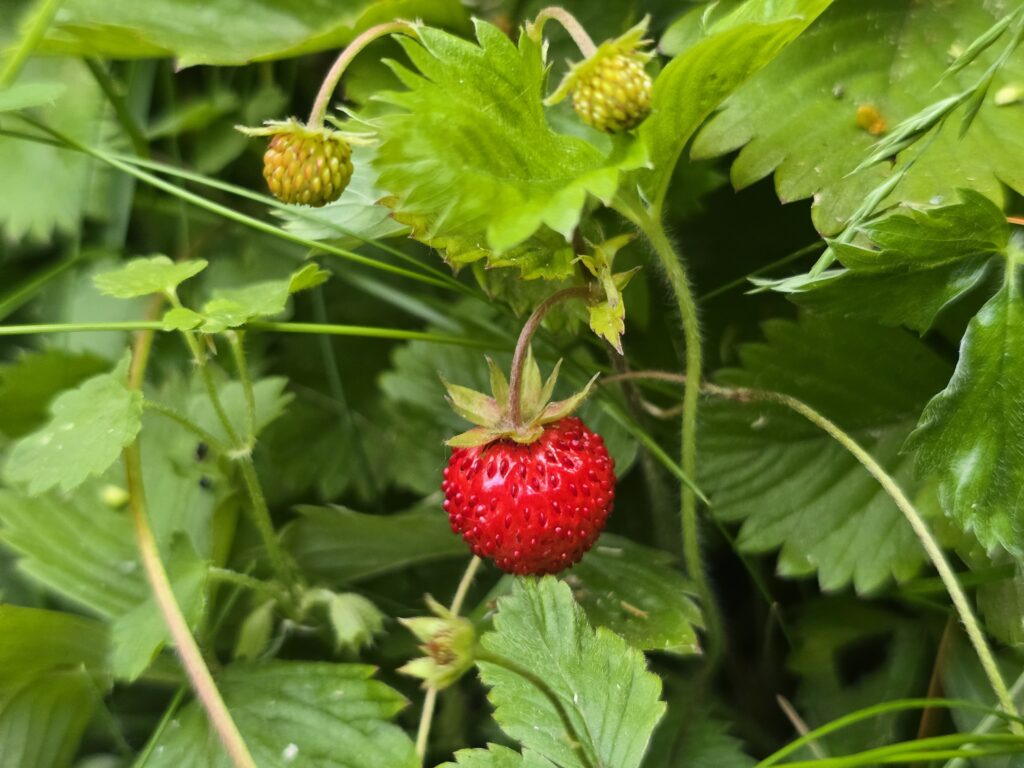 Red, small, strawberry-like fruit at the woodland edge or in the garden. Wild strawberry, garden strawberry or mock strawberry? The difference matters.
- Phosphorus in the soil, yet the plant cannot get it? The role of mycorrhiza
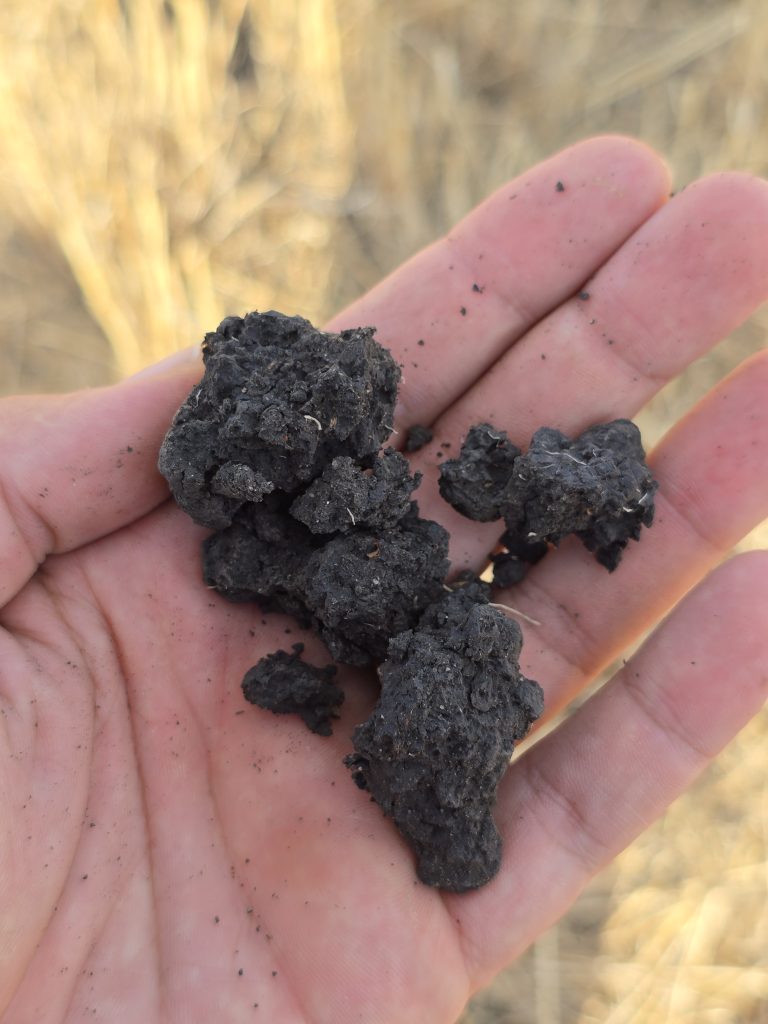 More phosphorus doesn’t always mean a bigger yield. Excessive phosphate fertilisation can also weaken mycorrhiza, one of the plant’s most important allies.
- When should you call a plant doctor, and what does it cost?
 When is it worth bringing an expert to the farm, what do you get, and what does it cost? Transparent prices and one important question: whose interests does your adviser represent?
- Converting to organic farming: what you need to know in the first three years
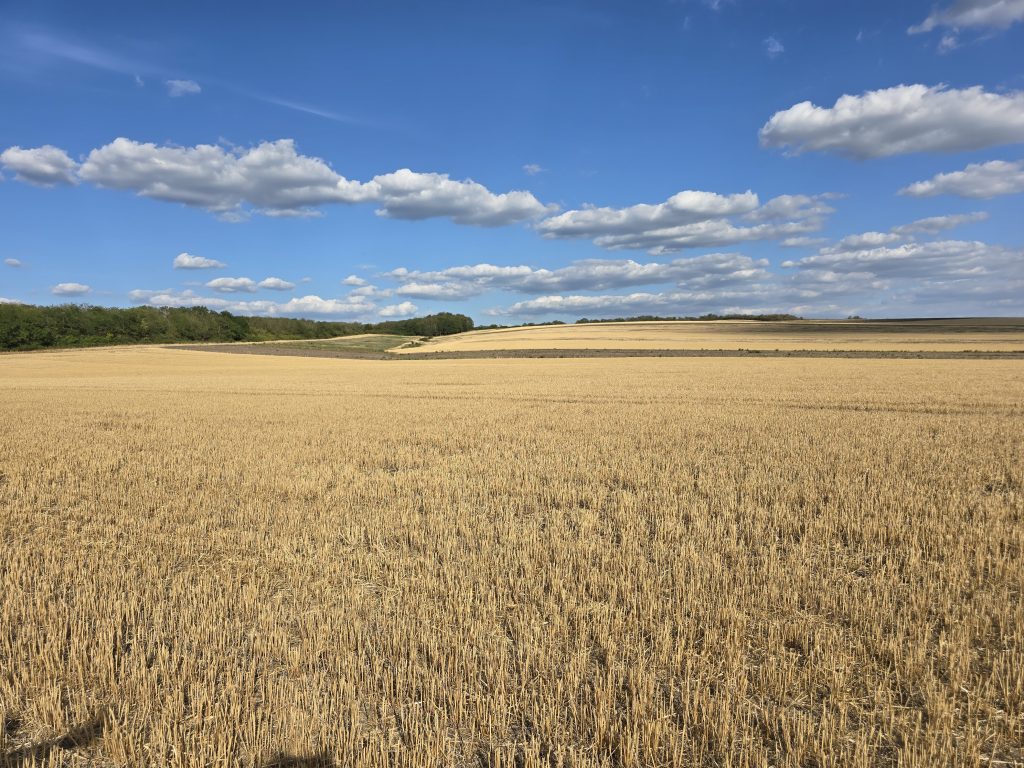 Converting to organic farming isn’t paperwork, it’s a business decision. Conversion period, yield loss, costs and the questions worth settling beforehand.
- Tiny grey “bugs” en masse on stubble and rapeseed? A seed bug outbreak
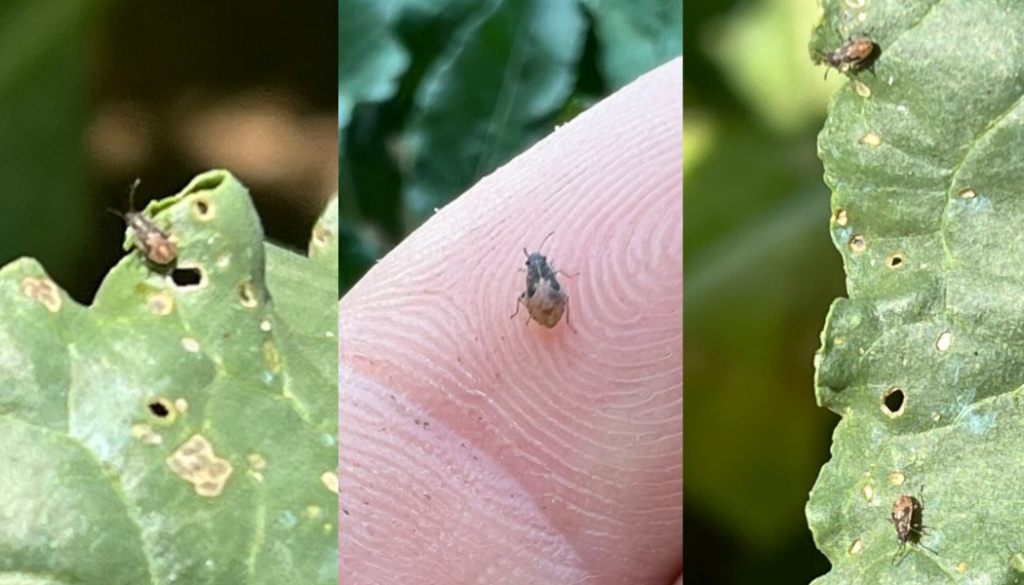 Thousands of tiny greyish-brown insects on stubble or in rapeseed? Probably the seed bug Nysius cymoides. How to recognise it, why it’s a risk, and what decides how big the problem is for you.
 English
 Hungarian
 German