
dr. Adam Koczor
Expert in Plant Protection
Bird-friendly plant protection
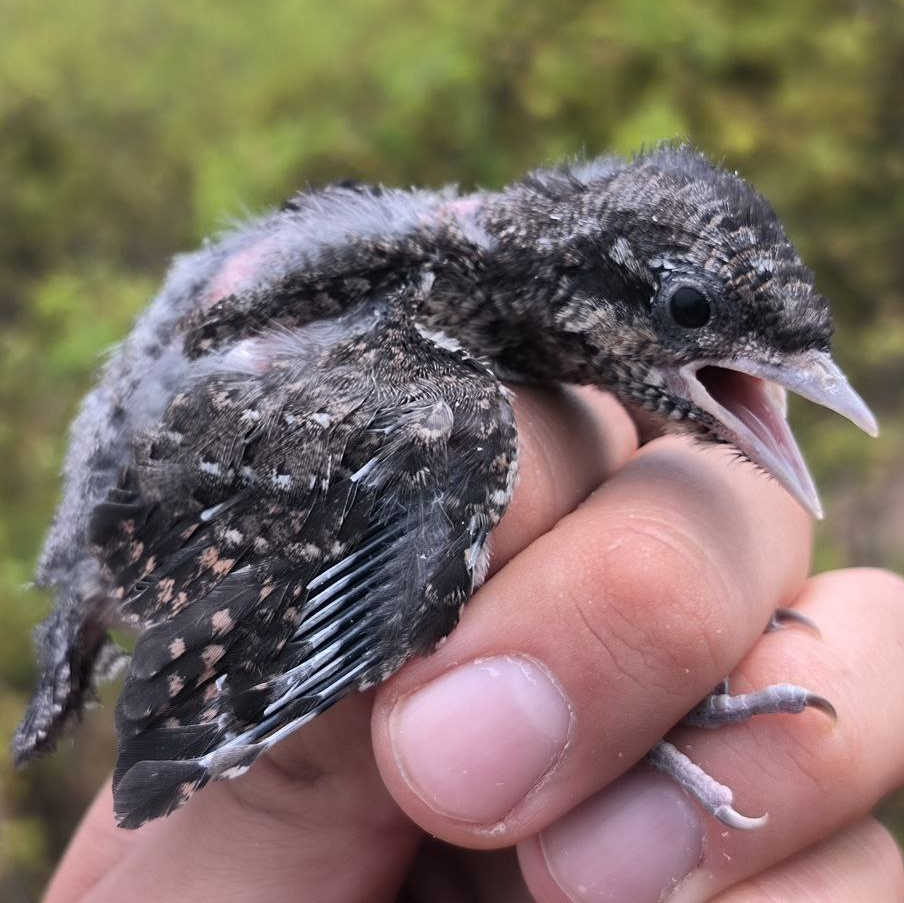
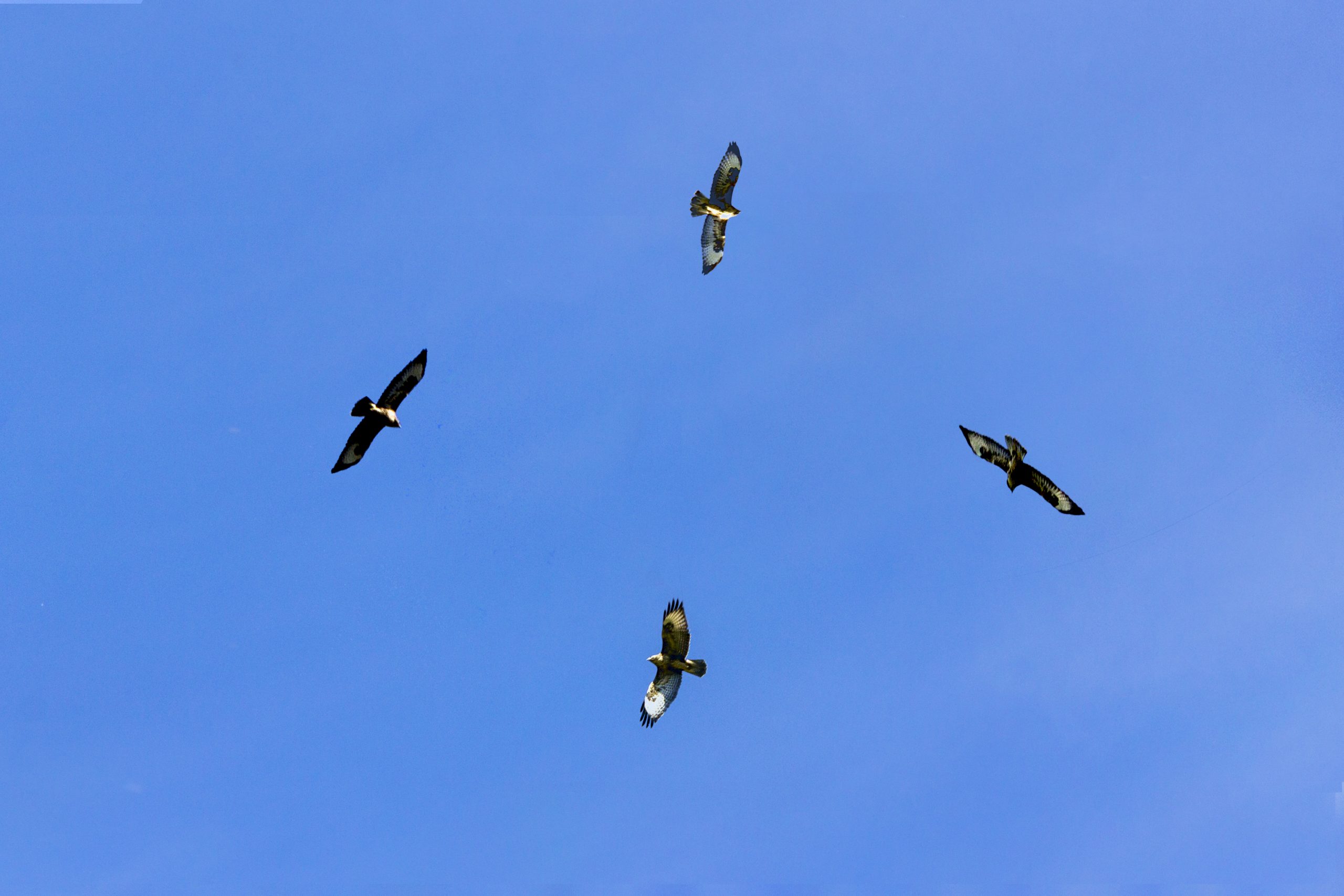
Bird-friendly crop protection aims to support beneficial bird species on farms, thereby reducing chemical use and making production more sustainable. Birds of prey, such as barn owls and common buzzards, play a significant role in controlling rodent populations. A single barn owl can consume up to 1,000 rodents per year, greatly reducing rodent-related damage. This natural protection not only lowers farmers’ costs but also provides a more sustainable alternative to chemical rodenticides, which can impact soil and water.
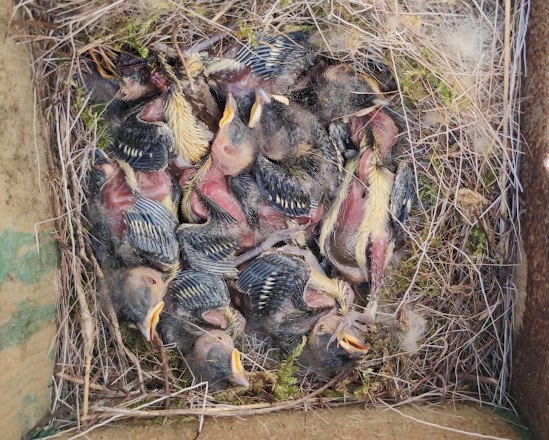
Smaller insect-eating birds – such as tits, finches and robins – also play a key role in regulating pest insects, particularly aphids, caterpillars and other soft-bodied pests. A tit can consume several kilograms of insects annually, actively contributing to natural pest reduction in plantations, improving crop quality and reducing the need for insecticides.
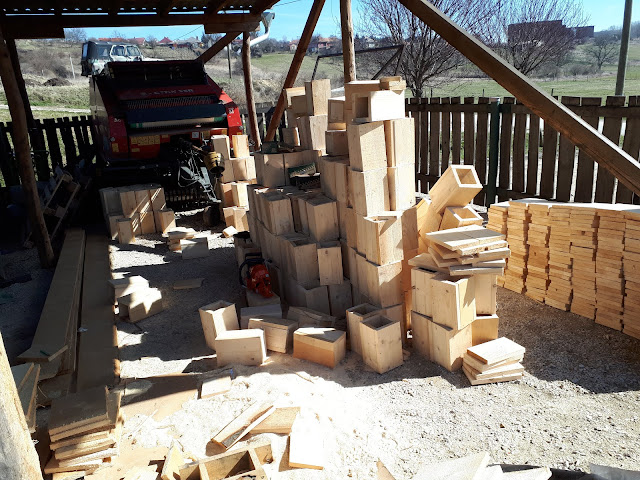
Farmers can attract and support birds through various techniques. Installing nest boxes is especially useful for tits, finches and other cavity-nesting species, which thus find natural habitats close to the crops. This encourages their presence and ensures that their feeding habits directly support crop protection. Planting taller trees provides shelter and observation points for birds of prey, helping barn owls and buzzards settle in the area and ensuring long-term rodent control. Maintaining natural hedgerows and shrub belts provides shelter and food sources for multiple bird species, enhancing biodiversity and natural pest management.
These solutions can be cost-effective in practice, as bird presence reduces the need for chemical treatments, lowering both crop protection costs and environmental impact. Moreover, natural pest regulation helps create a more stable ecosystem in which pests and their natural enemies remain in balance, preventing pest outbreaks.
Overall, bird-friendly crop protection offers significant added value for farmers: it improves crop security, ensures long-term sustainability, and supports ecological diversity. The resulting habitats benefit not only farms but the entire environment, contributing to a more stable and balanced agroecosystem.
If you have any thoughts on the subject, feel free to get in touch with me.
Pictures
Description
Herbafarm Ltd.
Increasing biodiversity is an investment that will certainly pay off sooner rather than later! Bird-friendly crop protection is the first step toward it.
 English
  Hungarian
  German