
dr. Adam Koczor
Expert in Plant Protection
Bird-friendly plant protection
Increasing biodiversity is an investment that will certainly pay off sooner rather than later!
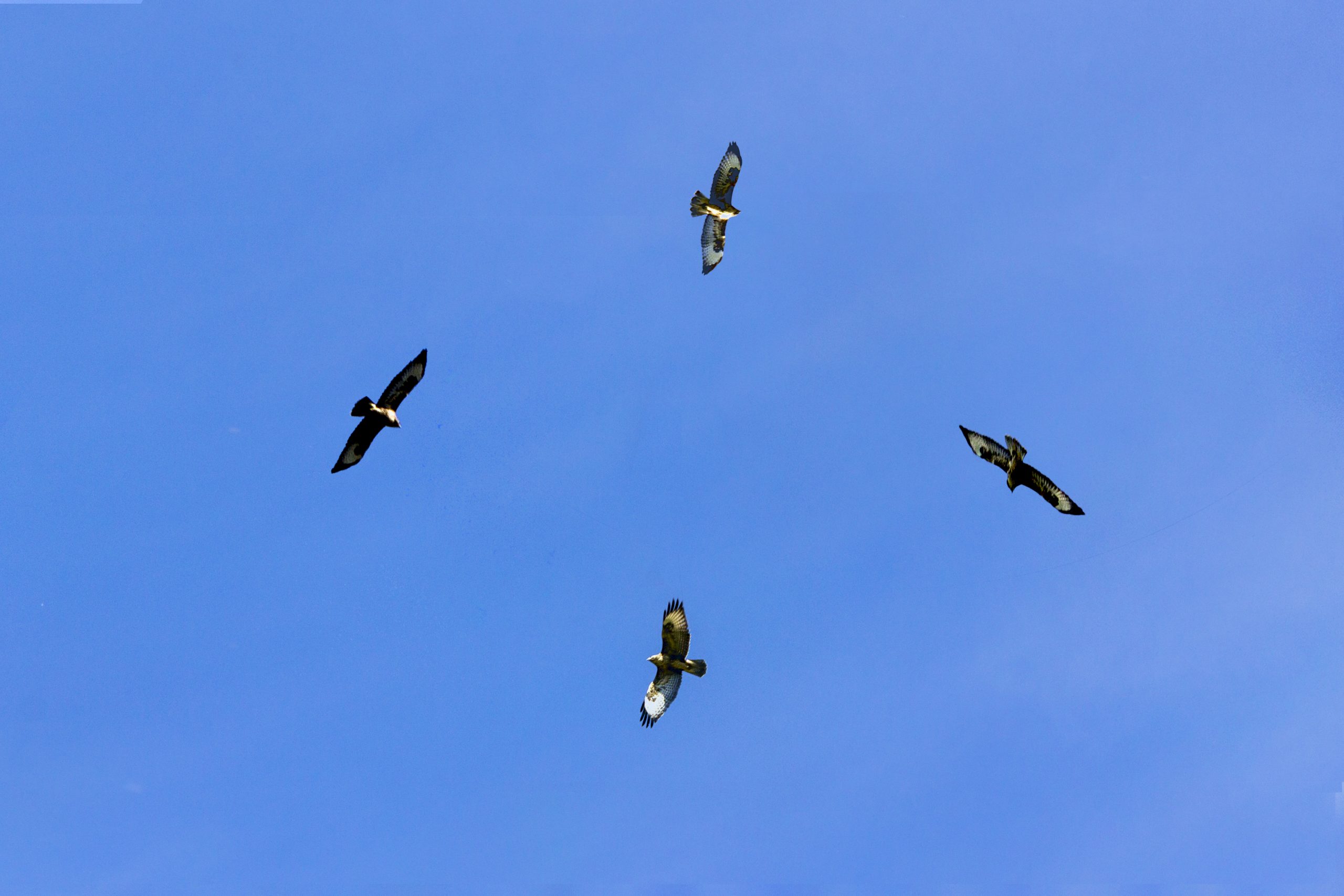
Bird-friendly crop protection aims to support beneficial bird species on farms, thereby reducing chemical use and making production more sustainable. Birds of prey, such as barn owls and common buzzards, play a significant role in controlling rodent populations. A single barn owl can consume up to 1,000 rodents per year, greatly reducing rodent-related damage. This natural protection not only lowers farmers’ costs but also provides a more sustainable alternative to chemical rodenticides, which can impact soil and water.
Smaller insect-eating birds – such as tits, finches and robins – also play a key role in regulating pest insects, particularly aphids, caterpillars and other soft-bodied pests. A tit can consume several kilograms of insects annually, actively contributing to natural pest reduction in plantations, improving crop quality and reducing the need for insecticides.
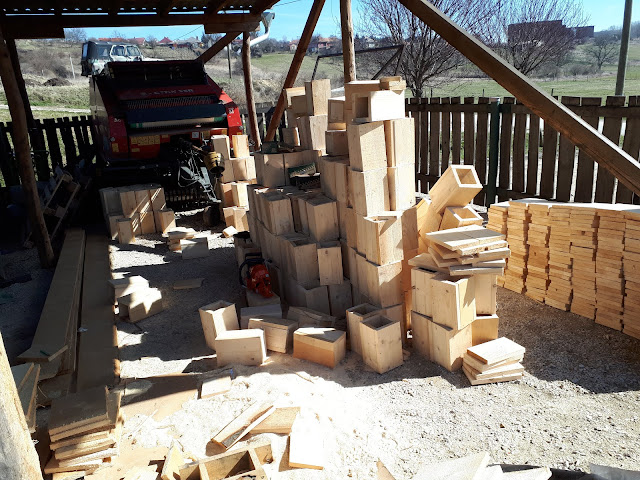
Farmers can attract and support birds through various techniques. Installing nest boxes is especially useful for tits, finches and other cavity-nesting species, which thus find natural habitats close to the crops. This encourages their presence and ensures that their feeding habits directly support crop protection. Planting taller trees provides shelter and observation points for birds of prey, helping barn owls and buzzards settle in the area and ensuring long-term rodent control. Maintaining natural hedgerows and shrub belts provides shelter and food sources for multiple bird species, enhancing biodiversity and natural pest management.
These solutions can be cost-effective in practice, as bird presence reduces the need for chemical treatments, lowering both crop protection costs and environmental impact. Moreover, natural pest regulation helps create a more stable ecosystem in which pests and their natural enemies remain in balance, preventing pest outbreaks.
Overall, bird-friendly crop protection offers significant added value for farmers: it improves crop security, ensures long-term sustainability, and supports ecological diversity. The resulting habitats benefit not only farms but the entire environment, contributing to a more stable and balanced agroecosystem.
What we built from this on a 150-hectare plantation
The above is not theory. We have been building this system on the rosehip plantation at Leányvár since 2020, and the field reports show year by year what worked and what did not.
Perches. Two T-perches per hectare went out, specifically because the mulch cover of the interrow lets voles breed undisturbed. A few months later we were finding buzzard pellets under them everywhere. They are worth putting out above all along those field edges where arable land lies beyond the fence – that is where the voles come in – and the simplest way is to fix them to the fence posts.
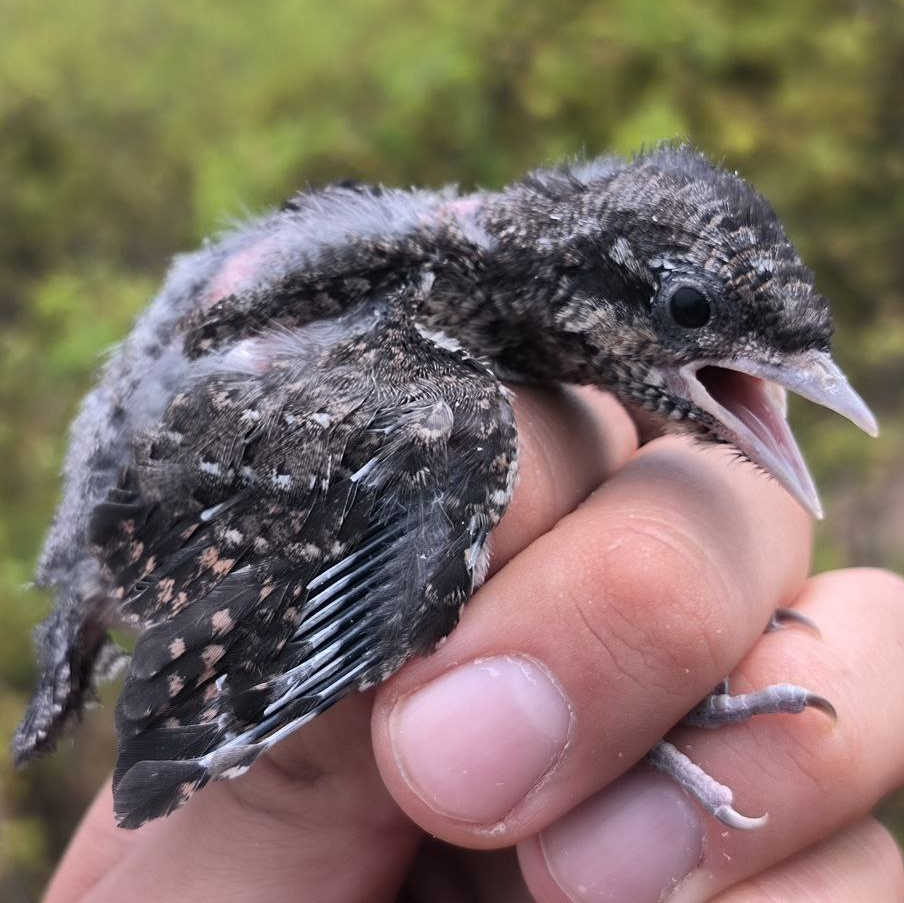
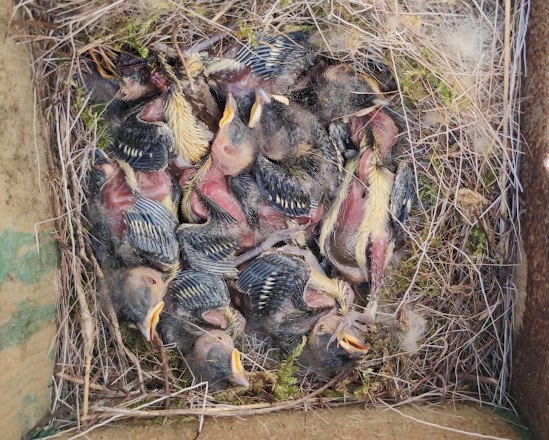
Nest boxes. In the first year there was breeding in roughly a quarter of the nest boxes; measured against the size of the stand that is not a bad result, although wasps and even bees moved into a few. In the well-placed rows the readiness to breed later approached a hundred percent. In May 2021, together with an ornithologist colleague, we ringed around 170 tit chicks, most of them just before fledging. On the inside of the kestrel box lids we fitted a mirror, so that we can look up into them from below without having to take them down, and we put gravel or mulch in the bottom, because that imitates a natural nest site better.
What to watch out for. A nest box does not belong next to the crop-processing building – partly because of the buzzard droppings and vole remains, and partly because insects overwintering in the nest material can turn up as storage pests.
Water. The cheapest way to keep predators and songbirds around is to give them water. We built drinkers out of IBC tanks with self-regulating valves; against algae one litre of 20 percent vinegar per cubic metre goes in, and we also put a few stones in them so that insects that fall in can climb out. In a dry spring we start them up as early as March.
This system does not replace plant protection, but it makes it cheaper year by year – and it is kept alive by the same interrow cover that is our main tool in water retention without irrigation as well.
If you have any thoughts on the subject, feel free to get in touch with me.
Pictures


Description
Herbafarm Ltd.
Increasing biodiversity is an investment that will certainly pay off sooner rather than later! Bird-friendly crop protection is the first step toward it.
 English
 Hungarian
 German