
Dr. Ádám Koczor
Expert in Plant Protection
CV (PDF)
A rose at the head of the vine row, beetroot in the sugar beet: do indicator plants work?
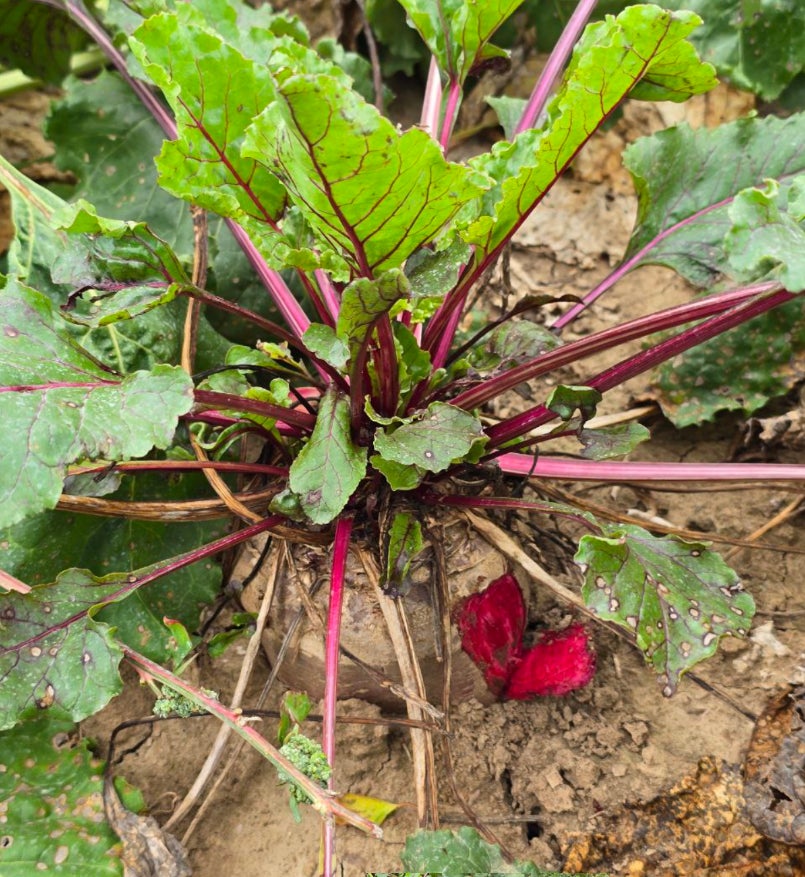
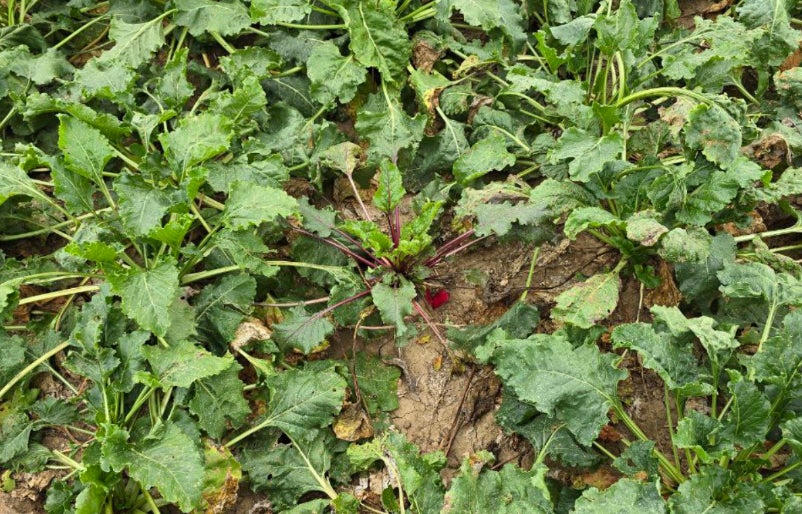
A rose bush at the head of every vine row, a few beetroot plants in the middle of a sugar beet field. Both rest on the same idea: a more sensitive plant shows disease symptoms earlier than the crop, so you can protect it in time. A nice idea, and logical at first hearing. In crop protection, however, logical and effective are not always the same thing.
Where does the idea come from?
In German wine regions, roses planted at the head of the rows are still a common sight: tradition has it that rose powdery mildew appears before grapevine powdery mildew, so the rose signals when to spray. And in a no-till sugar beet field I came across the practice of mixing a small share of beetroot into the seed, because Cercospora leaf spot (Cercospora beticola) shows up on it sooner.
The two cases are not the same. Rose and grapevine powdery mildew are caused by two different pathogens (Podosphaera pannosaand Erysiphe necator), whereas sugar beet and beetroot are two varieties of the same species, infected by the same fungus. In one case even the biological basis is questionable; in the other it is at least promising.
Where an indicator plant can fail
Even if we accept that the indicator plant is more sensitive, in practice several conditions must be met at once: the susceptibility of the varieties, the presence of an infection source and the environmental needs of the pathogens all matter. The indicator plant also has to be found in a large field, and it’s worth thinking through what happens to it if the spraying fails.
Four questions before you try it
- Does the same pathogen attack the indicator plant and the crop?
- How susceptible is your variety, and how susceptible is the indicator plant’s variety?
- How will you find and monitor the indicator plants in the field?
- What happens if the indicator plant itself becomes a source of infection?
In some places a method like this is a cheap and useful addition; in others it is just pretty. Which one it is for you depends on local conditions.
In detail
I wrote about both cases, and how promising I think the method is, in Parasztvakítás: Esettanulmány: növényvédelmi előrejelző növények (for subscribers).
How I can help
I work as an independent plant doctor: I don’t sell plant protection products and I take no commission from distributors. My advice is guided by one thing only: what pays off for your farm.
- Phone consultation: a quick, well-founded answer to a specific question, followed by a written summary.
- Consulting for the whole season: systematic support so that problems come to light in time.
Request a callback, and let’s see what this means for your farm.
 English
 Hungarian
 German